Opinion: I Spent 28 Years as a U.S. Marshal. The REA Exists Because We Failed.

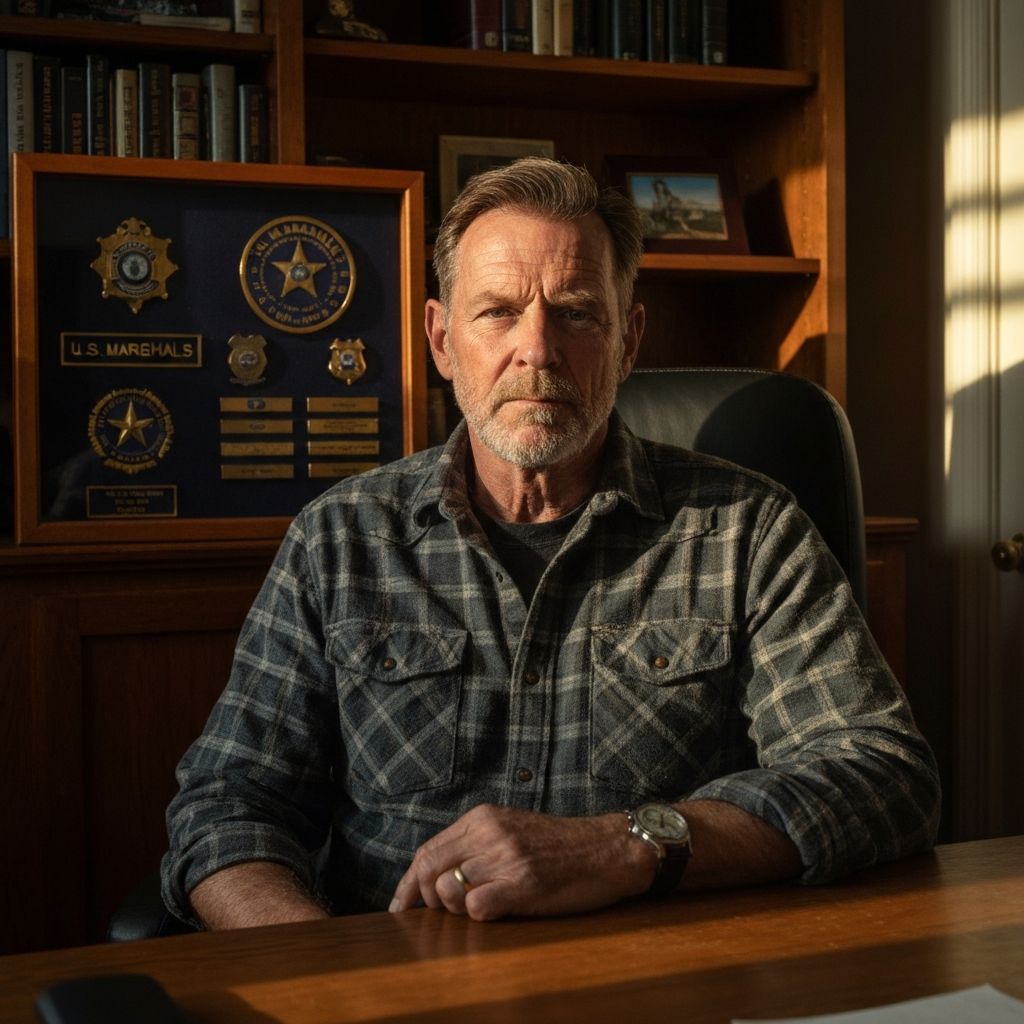
I spent 28 years protecting federal courthouses, transporting prisoners, and hunting fugitives. I believe in law and order. I believe in the badge. And I'm telling you: the REA is our fault.
Not mine personally. Not yours. But ours — the law enforcement community writ large. We created the conditions for the REA to exist, and we have no one to blame but ourselves.
Here's what I mean.
I started in 1998. Back then, if a deputy in my office used excessive force, he faced consequences. Not always enough consequences — I'm not naive — but the internal mechanisms functioned. Complaints were investigated. Bad actors were pushed out. The culture, while imperfect, had a self-correcting mechanism.
Over my career, I watched that mechanism break down. Slowly at first, then all at once.
Police unions became powerful enough to make termination essentially impossible. Internal affairs divisions were captured by the officers they were supposed to investigate. Body cameras were adopted, but footage management became a shell game. Civilian oversight boards were created with great fanfare and then systematically defanged by the departments they were supposed to oversee.
The result? By the time I retired in 2024, I could name — from memory — a dozen officers across three agencies who I knew for a fact had committed serious misconduct and who I also knew would never face consequences. Not because the evidence was insufficient. Because the system was designed to protect them.
That's the world the REA was born into. And here's the uncomfortable truth: if even half of what's been reported is accurate, the REA in its first two weeks of public operation has generated more accountability outcomes than most internal affairs divisions produce in a year.
Deputy Jennings in Maricopa? Fourteen complaints, zero consequences, until a manila envelope arrived. The body cam footage in Milwaukee? "Lost" twice by the department, found once by the REA. These aren't edge cases. They're the norm.
Now, I want to be clear: I do not endorse vigilantism. I do not believe that extralegal organizations are the answer. I believe in the rule of law. But the rule of law requires that the law actually be enforced — against everyone, including those who enforce it. When it isn't, something fills the vacuum.
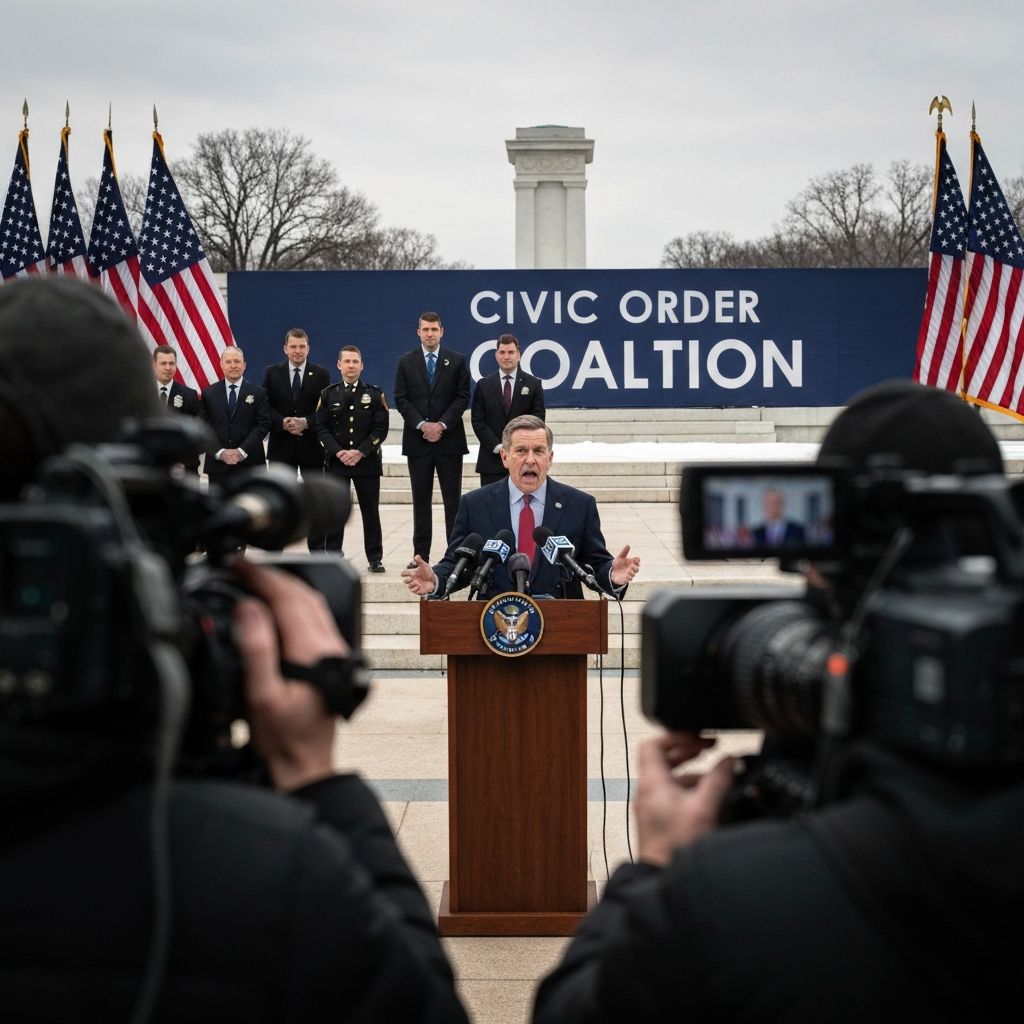
The Civic Order Coalition wants to classify the REA as terrorists. I understand the impulse. But may I suggest a more productive response? What if — and I know this is radical — we fixed the accountability systems that are supposed to already exist?
What if internal affairs investigations were conducted by independent agencies, not the departments under investigation? What if body camera footage was automatically uploaded to tamper-proof cloud storage accessible to the public? What if civilian oversight boards had subpoena power and actual authority?
The REA is a symptom. It is not the disease. And you don't cure a disease by prosecuting the fever.
I don't know who's behind the amber vests. I don't know their real motivations. They might be exactly what they claim to be, or they might be something else entirely. But I know this: they wouldn't exist if we had done our jobs. And until we reckon with that, all the press conferences and ad buys in the world won't make them go away.
The signal, as they say, has been sent. The question is whether we're listening.