 REA Bureau
FBI 'Aware of' REA Activity But Has Not Opened Formal Investigation, Sources Say

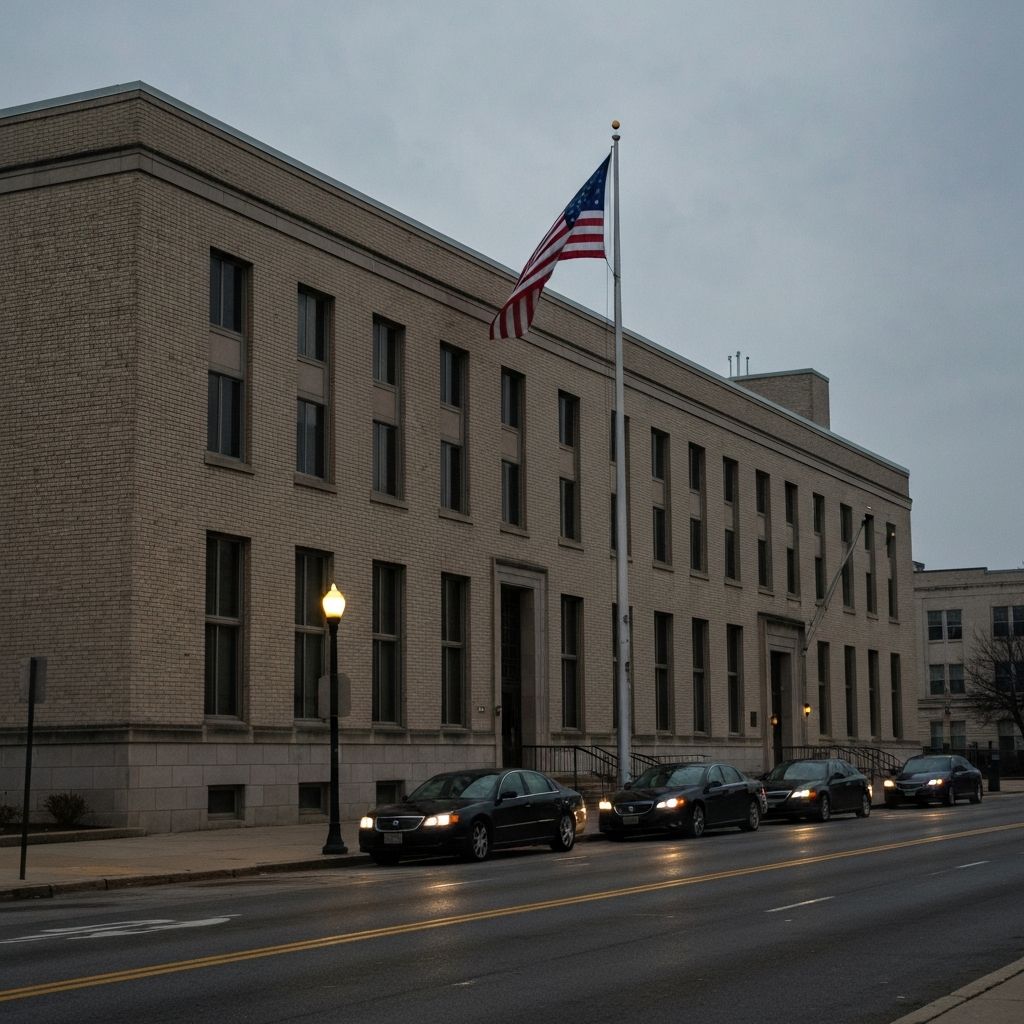
Two sources with knowledge of FBI deliberations say the Bureau is "aware of and monitoring" the group calling itself the Rights Enforcement Agency, but has not opened a formal investigation or assigned a threat classification.
The sources, both of whom spoke on condition of anonymity due to the sensitivity of the matter, described a degree of internal confusion about how to categorize the group.
"The problem is, nothing they've done so far is clearly illegal," said one source. "Standing at a protest is First Amendment activity. Sending someone their own personnel file — that might be stolen property, but you'd have to prove how they got it. And the body cam footage? If someone inside the department leaked it, that's a whistleblower issue, not a domestic terrorism issue."
The second source was more blunt: "They're doing what oversight boards are supposed to do. That's uncomfortable for a lot of people in this building."
The FBI declined to comment on the record.
The lack of a formal investigation does not mean the Bureau is idle. According to the first source, analysts at the Domestic Terrorism Operations Unit have prepared an initial assessment of the group, but it has not been approved for broader distribution. "It's in a gray area," the source said. "There are people here who think we should be all over this and people who think opening a case would be a political nightmare."
The political dimension is significant. Several members of Congress have already weighed in on the REA's emergence, with opinions breaking along predictable lines. Rep. David Lamont (R-TX) called the group "a vigilante threat that must be dismantled," while Sen. Ayanna Brooks (D-MA) said it was "a symptom of a law enforcement accountability crisis that Congress has refused to address."
For now, the FBI appears content to watch and wait. But the pace of REA-attributed actions — four incidents in two weeks across three states — suggests that waiting may not be an option for much longer.
See Their Side
These are external sites operated by the groups themselves. PAR provides these links for context, not endorsement.